






glasstec 2026: LiSEC LSP-A – Two lasers, one system for flexible glass processing
With the LSP-A, LiSEC is presenting a laser solution at glasstec 2026 that combines two different laser processes in one system. In this interview, Elias Leichtfried explains how the combination of engraving and precise coating removal opens new fields of application, ranging from bird protection glass to functional high-tech glazing.
Mr Leichtfried, what approach is LiSEC pursuing with the LSP-A in the field of laser processing?
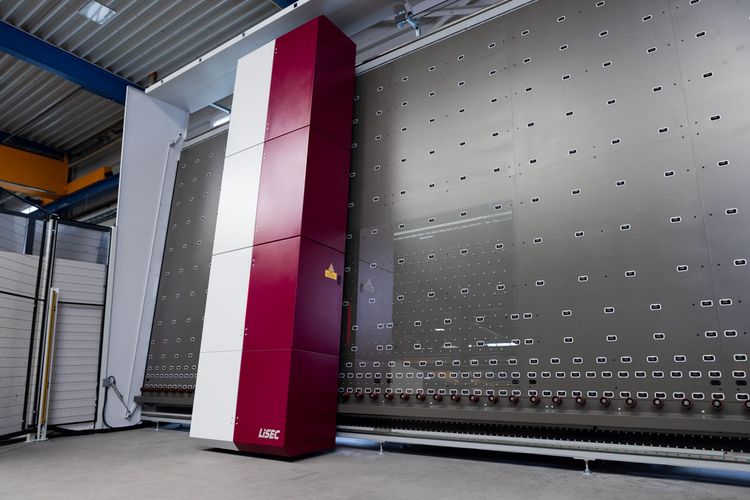
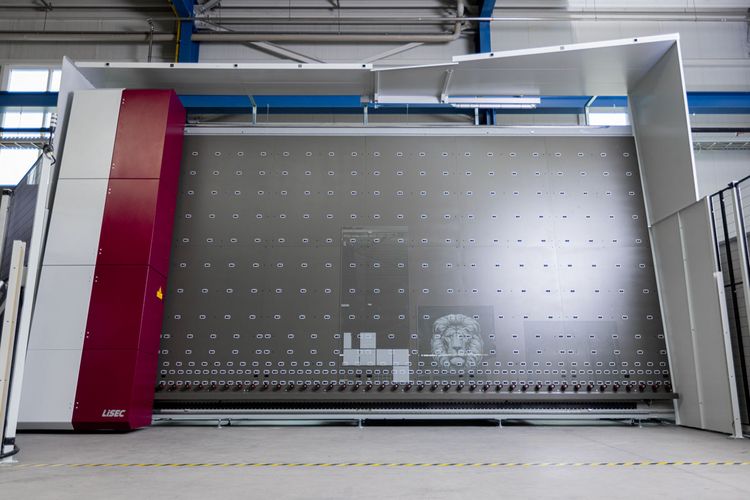
Elias Leichtfried: The central idea behind the LSP-A is to combine two different laser beam sources in one system and to enable flexible use. The USP of our machine is that both laser processes are integrated into a single system and operate completely without additives or consumables.
The goal was to create a solution that allows both the structuring of glass surfaces and the targeted removal of functional coatings. This allows applications that can only be realised to a limited extent—or not at all—using conventional processes.
What specific tasks do the two laser beam sources perform?
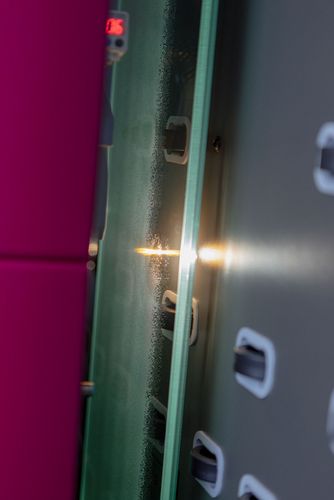
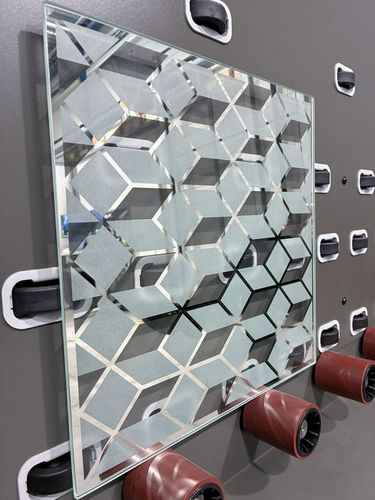
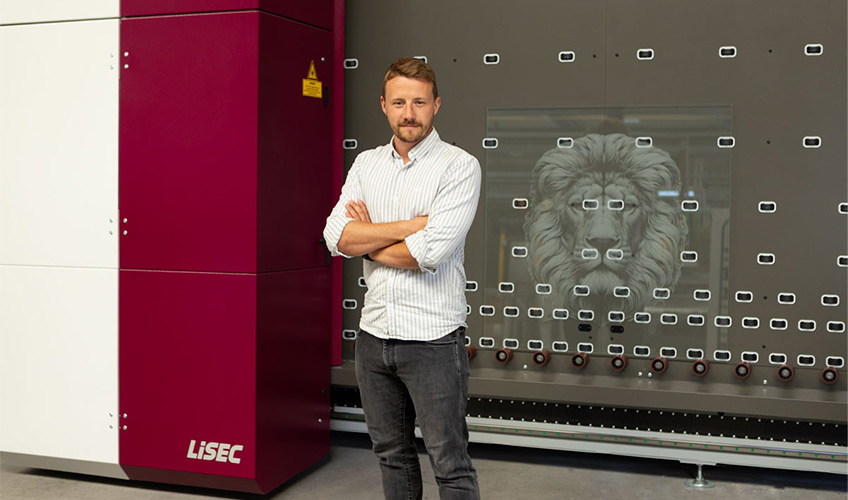
Elias Leichtfried: The first laser beam source is a CO₂ laser that acts directly on the glass. This results in a very low level of material removal, which mattes or engraves the glass depending on the settings and creates a clear visual contrast.
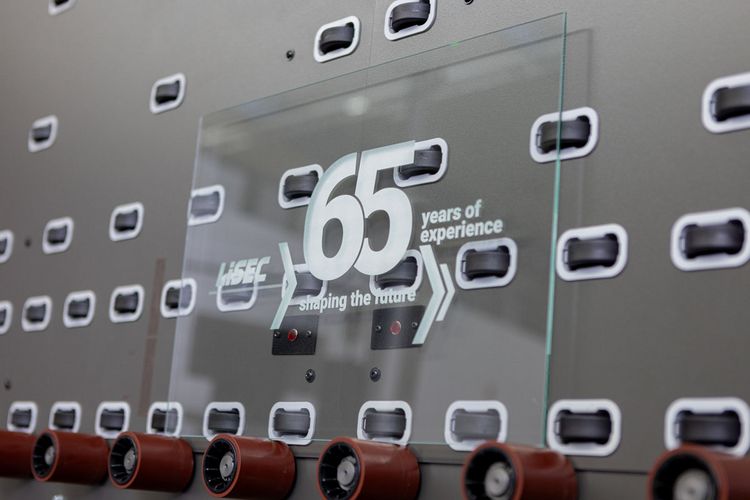
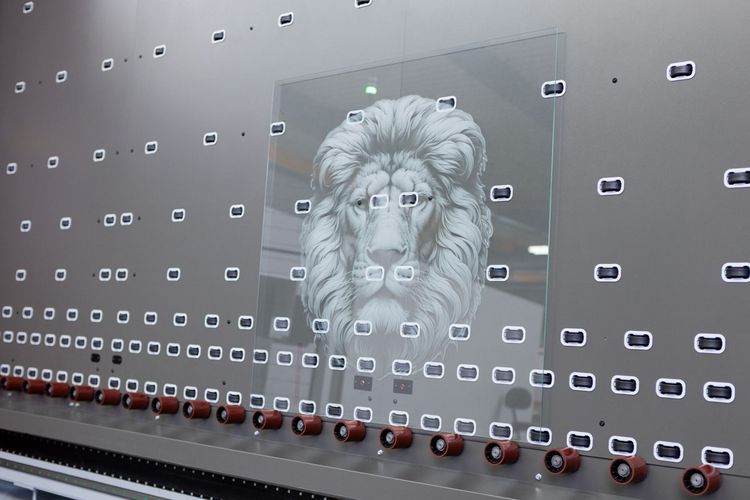
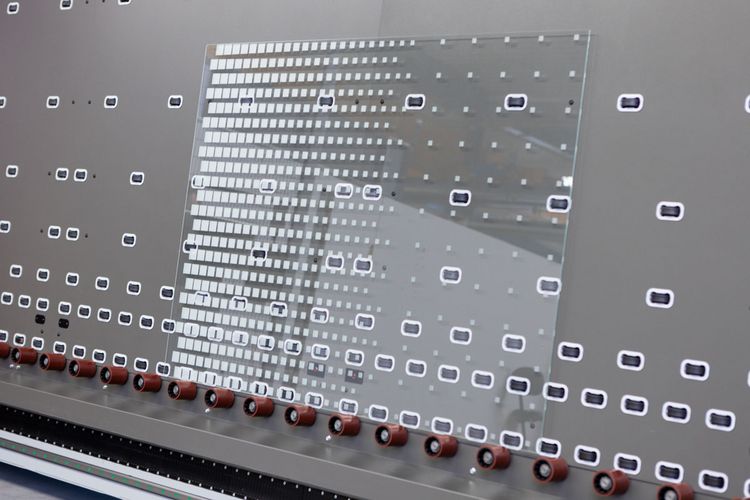
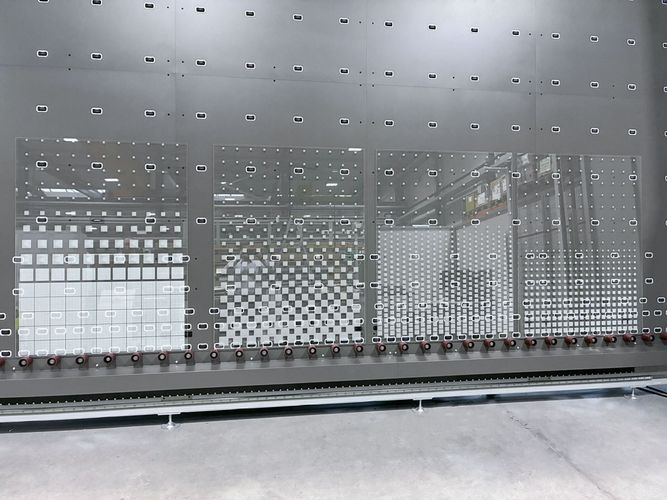
This process is suitable for a wide range of applications. A key product is bird protection glass, where dot-shaped structures are applied in a defined pattern to make the glass visible to birds and prevent collisions. In addition, decorative designs such as lettering, logos or images can be realised.
Another field of application is anti-slip glass. Here, very dense dot structures are created, enabling tested and certified slip resistance in classes R9 and R10.
And what is the second laser beam source used for?
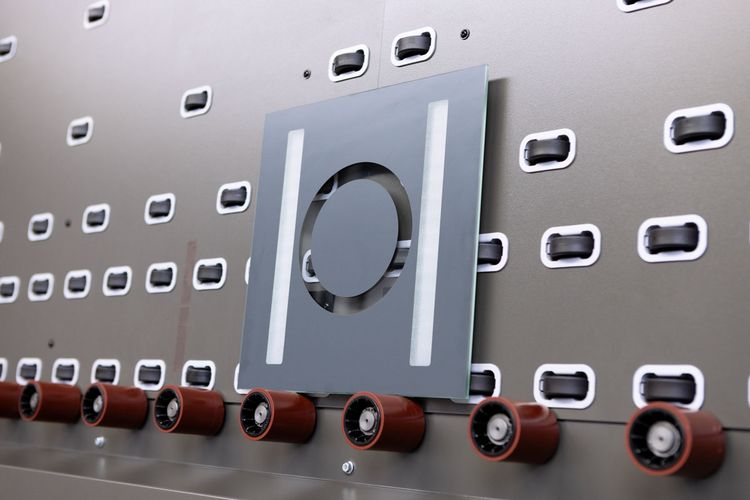
Elias Leichtfried: The second laser beam source is a near-infrared laser (NIR), which is used for coating removal. The glass itself remains completely unaffected; only the coating is removed.
This type of laser coating removal is necessary where conventional mechanical processes reach their limits. A typical example is signal glass or heated glass. In these applications, extremely fine grid structures with a thickness of only a few 20 µm can be introduced into the coating. Since usually only a few percent of the coating are removed, its function remains fully intact. This allows glass, for example, to be made permeable to mobile communications signals or prepared for use as heated glass.
Another area of application is mirror coating removal. The laser enables targeted and complete removal of the mirror layer without matting the underlying glass—an important advantage compared to conventional processes.
From your perspective, what distinguishes the LiSEC LSP-A within the current market landscape?
Elias Leichtfried: At present, we are the only ones combining both laser processes—engraving and coating removal—in a single machine, while operating completely without additives or consumables.
Another key point is productivity. Especially in bird protection glass, we achieve an output of approximately 55 to 60 square metres per hour using two simultaneously operating CO₂ laser beam sources. The lasers process the glass pane in parallel using a meander pattern, enabling these high throughput rates.
How can the LSP-A be integrated into existing production environments?
Elias Leichtfried: The system is designed to be highly flexible and can be integrated at almost any point in the process chain. Processing can take place both before and after tempering without affecting the glass strength—this has been verified through corresponding tests.
The LiSEC LSP-A can be fully automated and integrated into existing lines, often as a bypass solution, or operated as a standalone machine. Multiple glass panes can be processed in batches, while the operator can simultaneously perform other tasks.
Laser technology is often associated with increased safety requirements. How does LiSEC address this?
Elias Leichtfried: Our systems are delivered as laser safety class 1 systems. This means that the operator does not require additional laser protection. Neither laser safety curtains nor special protective enclosures are necessary, as all safety features are already integrated into the system.
Energy efficiency is also an important factor. The lasers used operate at only a few hundred watts, and the axes are very energy efficient. The main energy consumption comes from extraction and cooling, but it is significantly lower than that of upstream or downstream processes.
Who is the LSP-A particularly suited for?
Elias Leichtfried: Overall, the range of applications is very broad and spans across various market segments. Typical areas include façade construction, for example in bird protection or signal glass. At the same time, the system is also attractive for interior applications, such as design or partition elements. In addition, combined applications such as mirror coating removal and engraving enable the realisation of backlit mirrors or integrated touch functions.
Key Takeaways
- Two laser beam sources for engraving and coating removal in one system
- Alternatively, two CO₂ sources for higher productivity
- No additives or consumables required
- High productivity, especially for bird protection glass
- Flexible integration into production lines or as a standalone machine
- Laser safety class 1 and energy-efficient design
(created with AI assistance)