








Software

Production
Automatic Scheduling
Intelligent extension for automated production planning
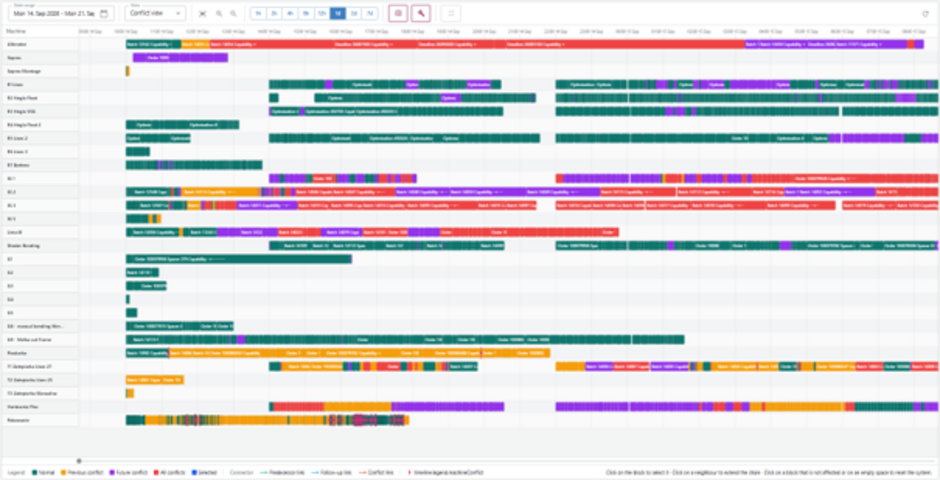
Automatic Scheduling is an intelligent extension for automated production planning. The system continuously evaluates capacities, orders, machine statuses and production conditions and automatically adjusts production planning. This reduces planning effort and complexity while improving utilisation, delivery reliability and production responsiveness.
How is Automatic Scheduling structured?
Automatic Scheduling is based on several intelligent components:
- Automatic scheduling and rescheduling logic (Scheduling & Re-Scheduling)
- Optimisation engine for production sequences and resource utilisation
- Real-time evaluation of production events and disruptions
- Consideration of machine capacities and production constraints
- Integration into lis.prodplanning 4 as an extension of capacity planning and detailed scheduling
- Use of machine-learning models for cycle and throughput times
How does Automatic Scheduling work?
Automatic Scheduling continuously analyses the current production situation and automatically creates optimised production plans. It takes account of new orders, short-notice schedule changes, unplanned machine downtime, delays and alternative production routes.
Whenever conditions change, the system assesses the impact on the entire production process and automatically adjusts the sequence and resource allocation. Conflicts in the production process are detected and resolved automatically while the plan is continuously re-optimised. Production planners no longer need to incorporate every change manually and can focus on exceptions and strategic decisions.
Who is Automatic Scheduling suitable for?
Automatic Scheduling is particularly suitable for:
- Flat glass manufacturers with complex production processes
- Companies with high order volumes and frequent planning changes
- Production managers and manufacturing supervisors
- Work preparation and production planning
- Companies with multiple production lines and machine chains
- Companies seeking to automate their planning and reduce manual effort
- Production environments with frequent disruptions, rush orders or reprioritisation
What advantages does the software offer?
Automatic Scheduling significantly reduces production planning effort by automatically scheduling production orders and continuously re-optimising them when changes occur. The system takes account of capacities, production constraints, disruptions, rush orders and alternative production routes to create optimum production sequences. This increases responsiveness, reduces bottlenecks and improves resource utilisation. At the same time, companies benefit from greater transparency, fewer manual interventions and more stable production planning.
What functions are included as standard?
As Automatic Scheduling is itself an extension of lis.prodplanning 4, the following core functions are included within this module:
- Automatic scheduling of production orders
- Automatic rescheduling when changes occur
- Objective-driven production optimisation (Objective-driven Optimisation)
- Automatic conflict detection in production processes
- Automatic conflict resolution in routing and schedules
- Prevention of buffer overloads
- Continuous reassessment of the planning situation
- Consideration of unplanned downtime
- Consideration of rush orders and remakes
- Consideration of delays and alternative production routes
Which optional functions can be added?
- ML-based machine times
- Machine-learning models for determining realistic machine runtimes
- Machine-learning models for waiting and throughput times
- Continuous improvement of planning accuracy using real production data
- Advanced Scheduling
- Manual detailed scheduling and intervention in production sequences
- Detailed editing of machine allocations and sequences
- Combination of automatic and manual planning
- Capacity planning (lis.prodplanning 4 base)
- Capacity calculation as the basis for automatic optimisations
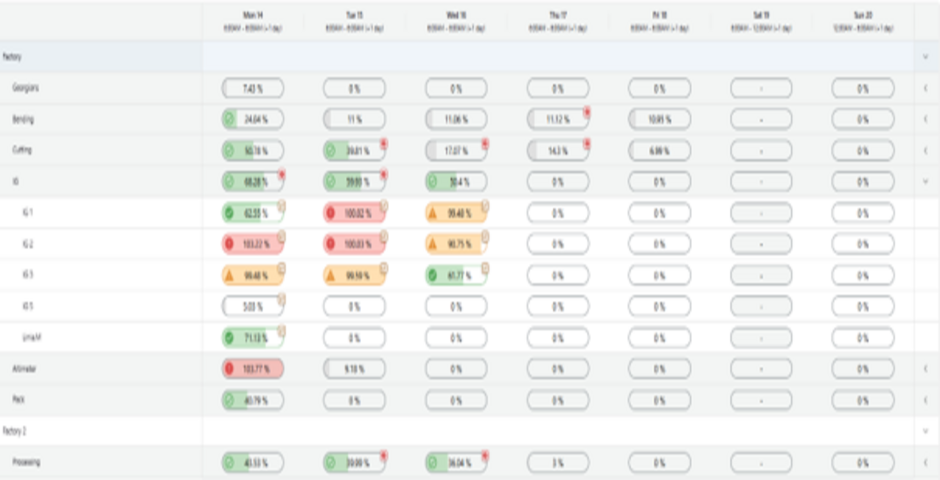
- Transparent display of utilisation and bottlenecks
- Visualisation of the production situation for planners and work preparation
The Highlights
Automatic rescheduling when changes occur
Automatic Scheduling responds automatically to new orders, schedule changes, machine downtime or delays. The plan is continuously reassessed and adjusted, enabling production managers to respond more quickly to changes.
Intelligent production optimisation
The integrated optimisation logic automatically creates optimum production sequences while taking account of capacities, constraints and alternative production routes. This reduces bottlenecks and improves resource utilisation.
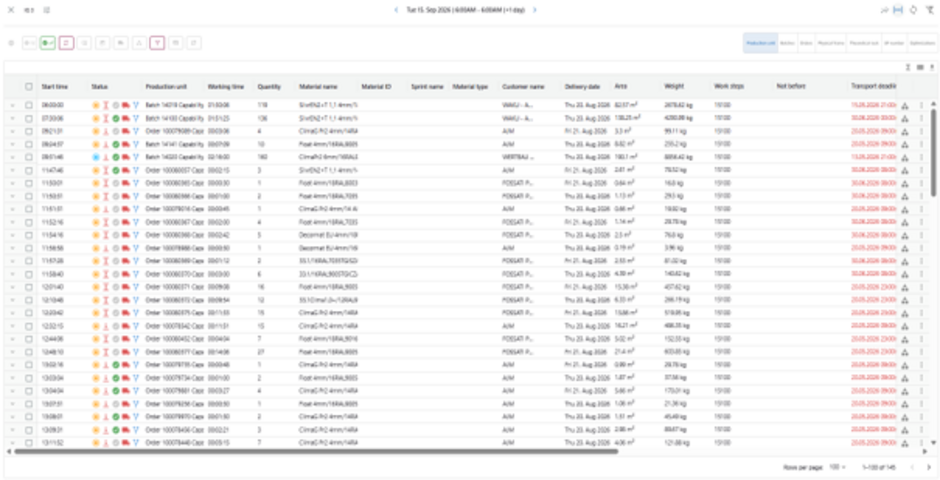
Machine-learning-based planning support
Automatic Scheduling uses machine-learning models for machine and throughput times. The system learns from real production data and continuously improves planning accuracy.